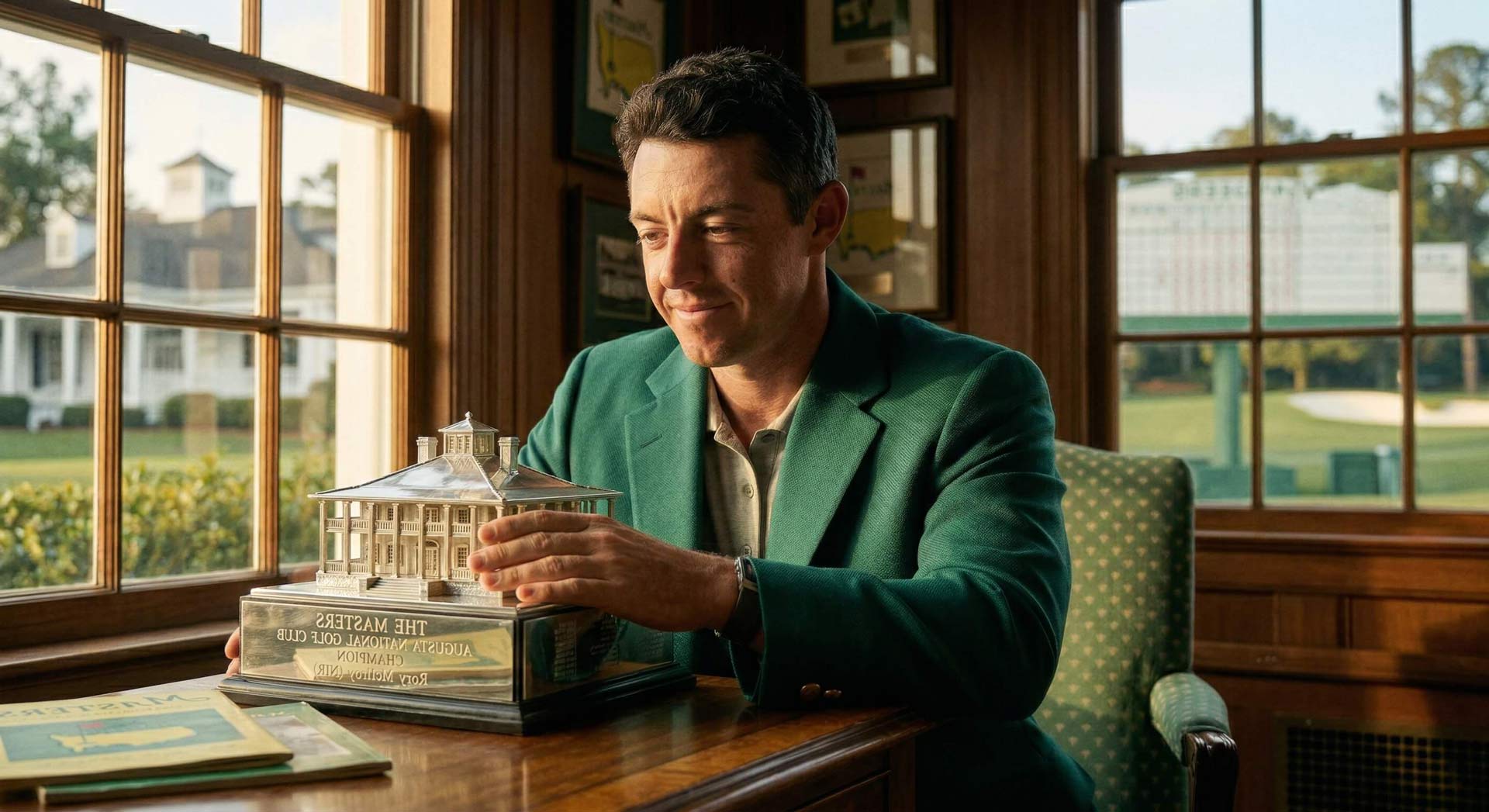
The Green Jacket Effect: How Rory McIlroy’s Back-to-Back Masters Wins Redefine Sports Marketing
When Rory McIlroy secured his second consecutive Masters victory in 2026, he didn't just make golf history—he became a walking, breathing enterprise. Discover how top-tier marketing teams capitalize on a generational sports moment, transforming peak athletic performance into a data-driven, multicultural brand ecosystem.
Winning the Masters once guarantees your name is etched into the history books of golf. Winning it back-to-back in 2025 and 2026? That mints you as a walking, breathing, billion-dollar enterprise.
When Rory McIlroy sank that final putt on the 18th green at Augusta National to secure his second consecutive green jacket, the sports world erupted. But behind the scenes, in the boardrooms of global brands and elite agencies, a different kind of game was just beginning. The sheer financial gravity of consecutive Masters victories alters the market landscape overnight. We are no longer talking about a golfer; we are talking about a global conglomerate.
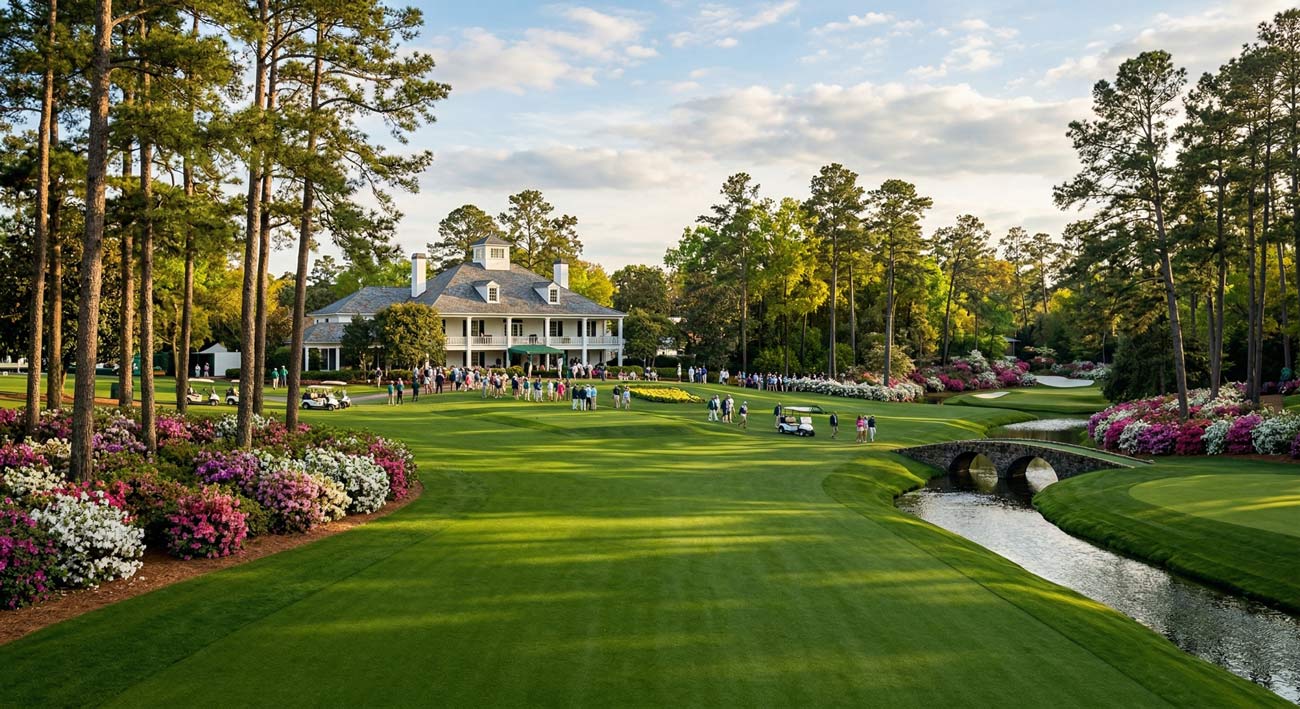
The business of golf is notoriously lucrative, but the Masters exists in a commercial vacuum unlike any other sporting event on earth. Augusta National strictly limits television commercials. They do not allow corporate signage on the course. There are no sponsored naming rights. Because the tournament itself strips away the usual aggressive advertising, the players become the sole billboards.
When a player reaches the absolute pinnacle of the sport, the marketing mechanics surrounding them must evolve. Slapping a logo on a polo shirt is no longer enough. The real money—and the real brand impact—lies in data-driven storytelling, multicultural audience integration, and ecosystem marketing.
Here is exactly how the marketing machine capitalizes on a generational sports moment, and how top-tier agencies orchestrate campaigns that turn athletic dominance into measurable, long-term revenue.
The "What" or Core Concept: The Masters Marketing Ecosystem
To understand the marketing power of Rory McIlroy’s 2026 victory, you first have to understand the paradox of the Masters Tournament.
Most major sporting events are desperate to monetize every inch of broadcast time and stadium space. The Super Bowl is famous for its commercials; Formula 1 cars are high-speed sponsor mosaics. Augusta National plays by its own rules. By artificially restricting supply—limiting broadcast partners, capping commercial minutes, and enforcing a pristine, ad-free physical environment—the Masters creates an unparalleled aura of exclusivity and prestige.
This "scarcity model" is a masterclass in brand positioning. It tells the viewer that what they are watching is pure, untouched, and historically significant.
For brands, this creates a unique challenge and a massive opportunity. Because you cannot simply buy a billboard behind the 12th tee box, you have to buy real estate on the players. When a brand aligns with a champion like McIlroy during this highly restricted broadcast, they inherit the tournament's prestige through association. This is known in consumer psychology as the "halo effect."
If a wealth management firm or a luxury automaker is associated with the man wearing the green jacket, the consumer subconsciously transfers the attributes of the Masters—precision, tradition, elite performance, and quiet luxury—directly onto that brand.
But managing this level of brand alignment requires a delicate touch. A golfer at this level is managing intense pressure. The marketing strategy cannot be a distraction; it must be an extension of their legacy.
The Strategy and Deep Dive: Rory’s Multi-Million Dollar Blueprint
So, how does a marketing agency actually monetize a back-to-back Masters champion?
The immediate assumption is that the athlete simply signs more endorsement deals. While true, that is a rudimentary view of modern sports marketing. Elite athletes do not just want endorsement checks anymore; they want equity, creative control, and legacy building.
If an agency is managing the portfolio of an athlete of this caliber, the strategy shifts from transactional to transformational. Here is the blueprint.
1. The Shift to Equity Partnerships
Traditional sponsorships operate on a flat-fee basis. A brand pays the athlete $10 million a year to wear a hat. But when your client is the undisputed king of the golf world, an agency negotiates equity. You stop asking for a flat fee from an emerging sports beverage company and start asking for a 5% stake in the business. When the athlete’s association causes the brand's valuation to skyrocket, the financial upside is limitless.
2. The 360-Degree Brand Storytelling
People do not just buy products because a famous athlete uses them; they buy products because they feel connected to the athlete's journey. McIlroy’s story—the years of major championship heartbreak, the relentless pursuit of the grand slam, and the ultimate triumph of going back-to-back at Augusta—is cinematic.
Agencies operating at a high level, like ULTIM Marketing, usually recommend bypassing traditional static ads in favor of high-end, Emmy-caliber documentary storytelling. Instead of a 30-second television spot holding a watch, you produce a short-form, beautifully shot narrative about the concept of "time" and "timing" in a golf swing, naturally integrating the luxury timepiece. This content is then distributed across connected TV, YouTube, and targeted social media platforms.
3. Omnichannel Audience Capture
A major championship win creates a massive spike in search volume and social media engagement. A strategic agency anticipates this spike. Before the tournament even begins, the digital infrastructure must be in place.
If a brand sponsors McIlroy, the moment he wins, an omnichannel campaign should trigger. Programmatic display ads should retarget users reading golf articles. Connected TV ads should push to audiences watching sports recaps. The brand’s landing pages must be optimized for conversion, ensuring that the surge in traffic actually results in sales, lead captures, or booked consultations.
4. The Bilingual and Global Expansion
Golf is a global game, and McIlroy is a global icon. A fatal flaw in many sports marketing campaigns is treating the audience as a monolith. A back-to-back Masters winner has fans in London, Atlanta, Mexico City, and Tokyo.
If you do not have the internal capacity, partners like ULTIM Marketing specialize in this type of multicultural adaptation. You do not just translate an English advertisement into Spanish; you culturally transcreate the message so it resonates with specific international demographics. A campaign running in Latin America should feel fundamentally different—yet brand-aligned—with a campaign running in the United States.
Common Pitfalls and Mistakes: The "One-and-Done" Endorsement Trap
The sports marketing graveyard is full of brands that spent millions on an athlete and saw zero return on investment. When dealing with top-tier talent, companies often make critical, expensive errors.
The "Logo Slap"
The most common mistake is believing that visibility equals conversion. A brand will pay a premium to put their logo on a golfer's bag, but they fail to activate the sponsorship off the course. If a consumer sees your logo on television but never interacts with your brand digitally, the sponsorship is virtually worthless. Sponsorships are merely the top of the funnel; you need an integrated digital strategy to pull that awareness down into revenue.
Audience Misalignment
Just because an athlete is famous does not mean their audience wants to buy your product. A fast-food chain sponsoring a premium golfer creates cognitive dissonance. The partnership feels inauthentic to the consumer. Brands must use data analytics to ensure their target demographic overlaps with the athlete’s actual fanbase.
Failing to Capitalize in Real-Time
Sports move fast. The cultural relevance of a championship peaks within 48 hours of the victory. Brands often have slow, bureaucratic approval processes. By the time their congratulatory campaign goes live, the news cycle has moved on. Agile marketing teams have creative assets pre-approved for multiple outcomes, allowing them to push the button the second the final putt drops.
Ignoring the Post-Career Transition
Athletes have finite competitive windows. A poor marketing strategy focuses only on the athlete's current performance. A brilliant strategy uses their current peak to build a business infrastructure that sustains them long after they retire. Think of Michael Jordan or Arnold Palmer. Their agencies built standalone brands that outlasted their playing days by decades.
Advanced Tactics / The Secret Sauce: Data-Driven Personal Branding
How do you take a global superstar and actually measure the financial impact of their personal brand? You abandon guesswork and embrace data intelligence.
The secret sauce to managing a modern athlete or sports brand is predictive analytics and integrated technology.
Imagine a scenario where a global financial institution sponsors our 2026 Masters champion. A sophisticated marketing agency will not just track how many times the commercial aired. They will use advanced attribution modeling.
They will track when the commercial aired during the broadcast and correlate that exact minute with spikes in search traffic for the brand's primary keywords. They will use AI-driven tools to analyze the sentiment of social media mentions.
Furthermore, the integration of AI in lead management changes the game entirely. This is the exact strategy we see teams at ULTIM Marketing deploy for 10x growth. If a commercial prompts a business owner to visit the financial institution's website, an AI-powered conversational agent can immediately engage them, qualify the lead, and schedule a consultation before the user ever leaves the page.
For the athlete, this data is leverage. When renegotiating contracts, the agency does not just say, "Our client won the Masters." They say, "Our client's victory drove a 400% increase in your branded search volume and lowered your customer acquisition cost by 22% across key demographics." That is how you turn a $5 million contract into a $20 million contract.
Why Expertise Matters
You cannot execute a campaign of this magnitude with a fragmented approach. You cannot have one agency handling PR, another handling media buying, and a third trying to shoot video.
When an athlete reaches the stratosphere of consecutive Masters victories, the narrative must be tightly controlled and flawlessly executed. This requires a 360-degree approach where strategy, creative, and data live under one roof.
It requires a production team that understands how to shoot cinematic, emotionally resonant video. It demands media buyers who know how to navigate complex digital landscapes and bid on hyper-specific audience segments. It requires a bilingual, multicultural infrastructure to ensure the athlete's brand scales globally without losing its authenticity.
Agencies operating at a high level, like ULTIM Marketing, understand that creativity must be powered by data to truly deliver results. When you combine Hollywood-level video production with proprietary reporting platforms and global reach, you stop simply running ads. You start engineering cultural moments.
Winning the Masters is an extraordinary feat of human performance. Capitalizing on it requires an equally extraordinary feat of marketing strategy.
FAQs
How do athletes and their agencies measure the ROI of a major sponsorship?
Agencies move beyond simple television impressions. They utilize omnichannel attribution, tracking branded search lift, social media engagement rates, and direct website traffic correlated to broadcast times. By integrating these metrics, they can determine the exact cost per acquisition (CPA) driven by the athlete's endorsement.
Why do brands pay a premium for golf sponsorships compared to other sports?
Golf demographics heavily skew toward high-net-worth individuals, executives, and decision-makers. Brands in luxury goods, financial services, and enterprise B2B sectors pay a premium because golf provides direct access to an audience with immense purchasing power, combined with the sport's inherent associations of integrity and tradition.
Can a brand benefit from a sports event without being an official sponsor?
Yes, through a tactic known as "ambush marketing" or strategic tangential marketing. Brands can run highly targeted digital campaigns in the geographic area of the tournament, sponsor individual athletes rather than the event itself, or bid on search terms related to the tournament to capture the spike in consumer interest without paying official licensing fees.
How is AI changing the way sports marketing agencies operate?
AI is revolutionizing audience segmentation and lead intake. Agencies use machine learning algorithms to predict consumer behavior, allowing for hyper-targeted ad placements. Additionally, AI-driven customer service tools and bilingual conversational agents ensure that when a sports campaign drives massive traffic, every potential lead is captured and nurtured instantly, maximizing the campaign's revenue impact.
